Podiatry Treatments for Flat Feet and Overpronation
- posted: Aug. 15, 2025
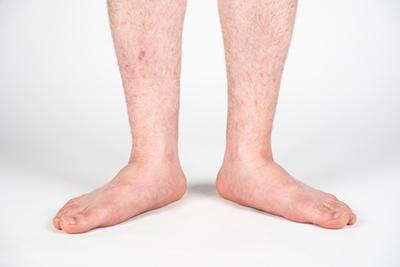
Flat feet and overpronation can do more than change the appearance of your feet; they can alter your walking pattern, place extra stress on joints, and lead to pain in the ankles, knees, hips, or lower back. At Florida Foot and Ankle Associates in Pembroke Pines, FL, Dr. Michael A. Rivera offers personalized treatments to improve comfort, support, and mobility.
Understanding Flat Feet and Overpronation
Flat feet occur when the arches are unusually low or collapse when standing. Overpronation usually accompanies it, causing the feet to excessively roll inward with each step. Symptoms never occur in most people. In others, foot fatigue, heel pain, shin splints, or posture discomfort occur. Genetics, loose ligaments, injuries, arthritis, and conditions such as posterior tibial tendon dysfunction can all cause the problem.
How a Podiatrist Evaluates the Condition
Dr. Rivera begins with a physical exam to examine your arches, walking style, and foot position. Imaging, such as X-rays, may be used to examine bone structure or detect underlying issues. The exam also helps determine if your flat feet are flexible (arches will show when not standing) or rigid, since it will dictate treatment strategies.
Treatment Options for Flat Feet and Overpronation
Conservative treatments generally do well in benefiting the biomechanics and arches. Orthotics, which are specially made, can redistribute pressure and alleviate strain. Supportive footwear keeps the feet in a more stable position when walking or running. Stretching and strengthening exercises improve stability and flexibility, particularly of the calf muscles and Achilles tendon. Modification of activities may be indicated in certain cases to limit repetitive strain as recovery occurs. If conservative management fails, surgical correction can be considered to address structural issues.
Long-Term Benefits of Early Treatment
Addressing flat feet and overpronation early can prevent secondary issues such as plantar fasciitis, bunions, or chronic knee pain. With a personalized plan, patients often experience reduced pain, better posture, and greater mobility in daily life and sports.
To schedule an evaluation, call Florida Foot and Ankle Associates in Pembroke Pines, FL, at (954) 888-1444 and meet with Dr. Michael A. Rivera for expert podiatric care.
- posted: Aug. 15, 2025
Flat feet and overpronation can do more than change the appearance of your feet; they can alter your walking pattern, place extra stress on joints, and lead to pain in the ankles, knees, hips, or lower back. At Florida Foot and Ankle Associates in Pembroke Pines, FL, Dr. Michael A. Rivera offers personalized treatments to improve comfort, support, and mobility.
Understanding Flat Feet and Overpronation
Flat feet occur when the arches are unusually low or collapse when standing. Overpronation usually accompanies it, causing the feet to excessively roll inward with each step. Symptoms never occur in most people. In others, foot fatigue, heel pain, shin splints, or posture discomfort occur. Genetics, loose ligaments, injuries, arthritis, and conditions such as posterior tibial tendon dysfunction can all cause the problem.
How a Podiatrist Evaluates the Condition
Dr. Rivera begins with a physical exam to examine your arches, walking style, and foot position. Imaging, such as X-rays, may be used to examine bone structure or detect underlying issues. The exam also helps determine if your flat feet are flexible (arches will show when not standing) or rigid, since it will dictate treatment strategies.
Treatment Options for Flat Feet and Overpronation
Conservative treatments generally do well in benefiting the biomechanics and arches. Orthotics, which are specially made, can redistribute pressure and alleviate strain. Supportive footwear keeps the feet in a more stable position when walking or running. Stretching and strengthening exercises improve stability and flexibility, particularly of the calf muscles and Achilles tendon. Modification of activities may be indicated in certain cases to limit repetitive strain as recovery occurs. If conservative management fails, surgical correction can be considered to address structural issues.
Long-Term Benefits of Early Treatment
Addressing flat feet and overpronation early can prevent secondary issues such as plantar fasciitis, bunions, or chronic knee pain. With a personalized plan, patients often experience reduced pain, better posture, and greater mobility in daily life and sports.
To schedule an evaluation, call Florida Foot and Ankle Associates in Pembroke Pines, FL, at (954) 888-1444 and meet with Dr. Michael A. Rivera for expert podiatric care.
Contact Us
Our Location
Find us on the map
Florida Foot & Ankle Associates, LLC
601 N Flamingo Rd. Suite 414
Pembroke Pines, FL 33028